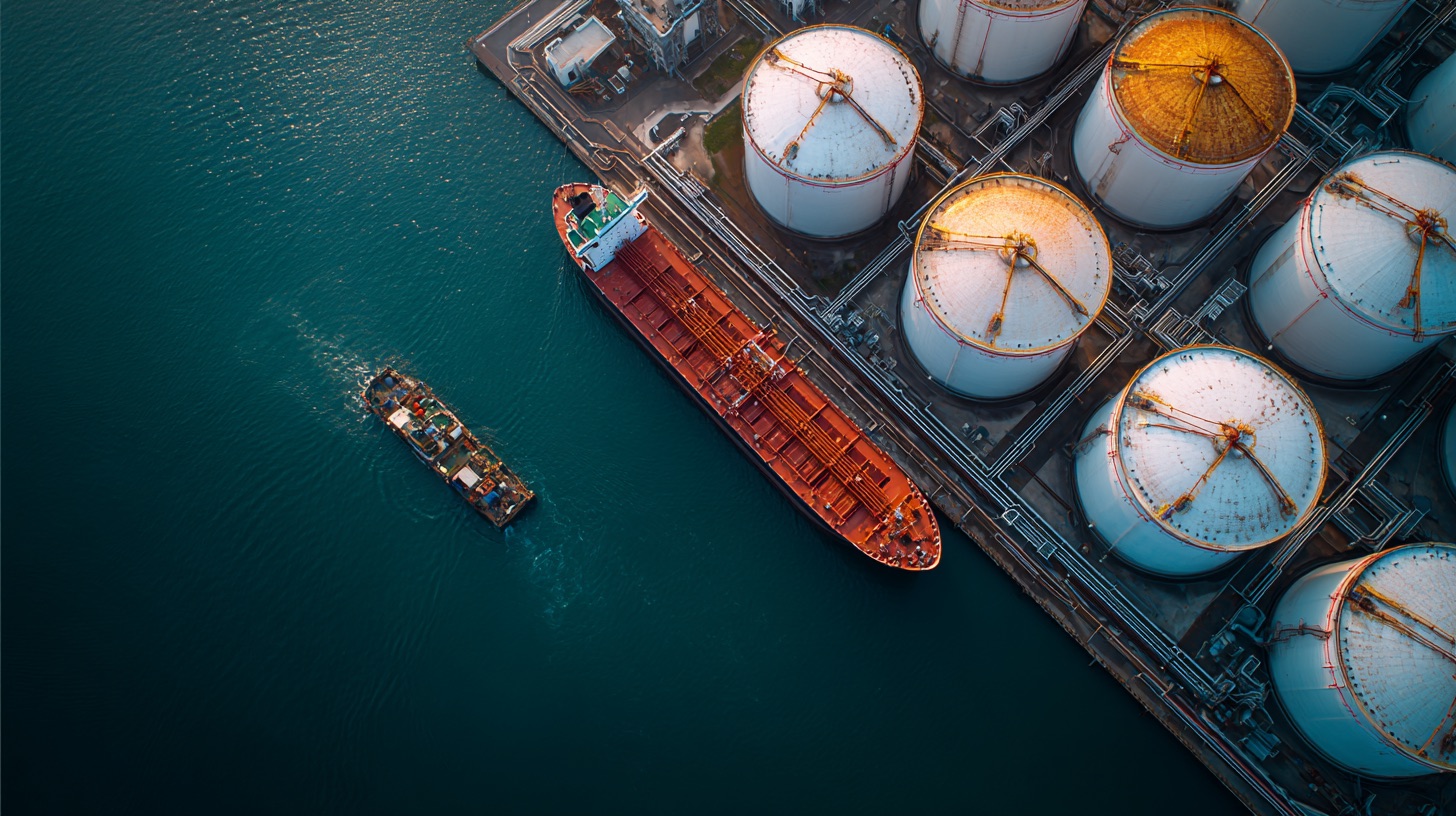
Understanding Risk in Shipping Investments
Shipping offers access to real assets with global exposure, contractual income potential, and strong upside during market dislocations. However, returns are inseparable from a layered and often misunderstood risk profile. Public shipping companies disclose these risks extensively in annual reports and investor materials, while private transactions embed them in structuring, financing, and chartering decisions. A consistent framework emerges across both: risk in shipping is cyclical, multi-dimensional, and highly sensitive to external variables.
1. Market Risk: Freight Rate Volatility
The dominant risk in shipping is freight rate volatility. Vessel earnings are determined by supply-demand dynamics in global trade, which are inherently unstable. Public companies consistently highlight exposure to spot market fluctuations, even when operating under time charters.
Freight rates can move sharply due to:
- Global economic growth or contraction
- Commodity demand shifts (iron ore, oil, LNG, grains)
- Trade route disruptions or geopolitical events
- Seasonal patterns and congestion
In private investments, this risk translates directly into cash flow uncertainty. A vessel acquired at peak rates may see earnings decline by 50–80% within a cycle downturn. Conversely, entry during depressed markets can significantly amplify returns.
Mitigation typically involves:
- Chartering strategies (spot vs. fixed-term contracts)
- Diversification across vessel classes and geographies
- Timing of entry and exit within the cycle
2. Asset Value Risk: Vessel Price Cyclicality
Vessel values are highly correlated with freight markets but often more volatile due to leverage and sentiment. Public companies regularly impair vessel values during downturns, reflecting lower expected earnings.
Key drivers include:
- Earnings expectations
- Fleet supply (orderbook vs. scrapping levels)
- Interest rates and financing conditions
- Regulatory changes affecting vessel obsolescence
Private investors face mark-to-market risk even if assets are held long term. Exit timing becomes critical, as selling into weak markets can crystallize losses despite prior income generation.
A typical pattern:
- Rising freight rates → higher vessel prices → increased newbuilding orders
- Oversupply → falling rates → declining asset values
3. Counterparty Risk: Charterer Default
Shipping income often depends on charter contracts. Public filings frequently emphasize the risk of charterer insolvency or non-performance, particularly in volatile markets.
Exposure includes:
- Missed hire payments
- Early contract termination
- Renegotiation under distressed conditions
In private deals, this risk is magnified when a single charterer underpins the investment thesis. Credit quality assessment becomes essential, especially in long-term charters.
Mitigation strategies:
- Diversified charterer exposure
- Preference for investment-grade or state-backed counterparties
- Structuring protections (guarantees, collateral)
4. Financing Risk: Leverage and Liquidity
Shipping is capital-intensive and heavily reliant on debt. Public companies disclose sensitivity to interest rates, refinancing conditions, and covenant compliance.
Risks include:
- Rising interest rates increasing debt servicing costs
- Breach of loan covenants during market downturns
- Limited access to refinancing in weak markets
Private investors often participate through leveraged structures, amplifying both returns and losses. Liquidity risk becomes critical if cash flows decline while debt obligations remain fixed.
A key dynamic:
- High leverage enhances returns in strong markets
- The same leverage accelerates losses in downturns
5. Operational Risk: Technical and Management Execution
Operational performance directly impacts earnings and asset longevity. Public companies highlight risks related to vessel maintenance, crew management, and technical failures.
Examples:
- Off-hire periods due to mechanical issues
- Cost overruns in maintenance or drydockings
- Inefficient vessel management reducing competitiveness
In private structures, operational risk is often outsourced to third-party managers. The quality and alignment of these managers materially affect outcomes.
Mitigation:
- Selecting experienced technical and commercial managers
- Transparent reporting and performance monitoring
- Incentive alignment through fee structures
6. Regulatory Risk: Environmental and Compliance Pressure
Regulation is an accelerating source of risk. Public shipping companies consistently identify environmental compliance as a major cost driver and uncertainty factor.
Key areas:
- Emissions regulations (IMO, EU ETS)
- Fuel standards and decarbonization requirements
- Ballast water treatment and safety compliance
Impact on investments:
- Increased operating and capital expenditure
- Potential obsolescence of older vessels
- Shifts in demand toward more efficient tonnage
Private investors must consider regulatory timelines when underwriting vessel lifespan and residual value.
7. Supply Risk: Orderbook and Fleet Growth
Future vessel supply is a leading indicator of market conditions. Public companies frequently warn about excessive newbuilding orders leading to oversupply.
Critical factors:
- Size of the global orderbook relative to existing fleet
- Delivery schedules of new vessels
- Scrapping rates of older tonnage
In private investments, entering a segment with a large incoming supply wave can significantly compress future earnings.
8. Geopolitical Risk: Trade Disruptions
Shipping is directly exposed to geopolitical developments. Public disclosures often reference risks from sanctions, wars, and trade policy changes.
Examples:
- Sanctions affecting cargo flows or counterparties
- Conflicts disrupting key shipping routes
- Tariffs altering trade volumes
These events can either depress or temporarily boost rates, but they introduce unpredictability that is difficult to hedge.
9. Currency Risk: Revenue vs. Cost Mismatch
Shipping revenues are typically denominated in USD, while costs may be incurred in multiple currencies. Public companies disclose exposure to currency fluctuations affecting operating margins.
Private investors face similar dynamics, particularly when:
- Financing is in a different currency than revenues
- Operating expenses are regionally diversified
10. Liquidity and Exit Risk
Unlike public equities, private shipping investments lack continuous liquidity. Exit options are limited to:
- Vessel sale in the second-hand market
- Charter-backed refinancing
- Portfolio aggregation or institutional sale
Market conditions at exit are decisive. A strong income profile does not guarantee capital recovery if asset values are depressed at the time of sale.
11. Information Asymmetry and Structuring Risk
Private shipping investments introduce an additional layer of risk not present in public markets: limited transparency.
Challenges include:
- Incomplete or biased information from deal sponsors
- Complex structuring (SPVs, layered fees, waterfalls)
- Misalignment between investor and operator incentives
Public companies mitigate this through disclosure requirements; private deals rely on diligence and governance.
12. Concentration Risk
Many private shipping investments are single-asset or single-charter exposures. This creates concentrated risk across:
- One vessel
- One market segment
- One counterparty
Public companies diversify across fleets, reducing this exposure. Private investors must actively manage diversification at the portfolio level.
Integrating Risk into Investment Strategy
Shipping risk is not incidental; it is the mechanism through which returns are generated. The same volatility that creates downside also enables outsized gains when capital is deployed counter-cyclically.
A structured approach to risk involves:
- Identifying which risks are being taken (market, credit, leverage)
- Assessing whether they are compensated by expected returns
- Structuring exposure to align with conviction on the cycle
Different strategies emphasize different risks:
- Spot-market exposure maximizes market risk and upside
- Long-term charters reduce volatility but introduce counterparty risk
- High leverage amplifies both outcomes
The objective is not to eliminate risk, but to price and position it correctly.
Conclusion
Shipping investments operate at the intersection of global trade, capital markets, and real asset dynamics. Risk is multi-layered, cyclical, and often nonlinear. Public company disclosures and private market structures converge on the same conclusion: returns depend less on avoiding risk and more on understanding its drivers.
Investors who approach shipping with a clear risk framework—spanning market cycles, asset values, counterparties, and leverage—are better positioned to navigate volatility and capture the asymmetric opportunities the sector provides.