What is shipping?
Shipping is the global business of moving goods by sea. It is the industry that transports the raw materials, energy, food and manufactured products the world depends on, using fleets of specialized vessels that connect the world.
But shipping is so much more than transport. It is the operating system of international trade. Whenever iron ore travels to a steel mill, crude oil to a refinery, grain to a food-importing nation, or containers of finished goods to retail markets, shipping is the infrastructure that makes that physically possible. It is the link between producers in one region with consumers in another and exists because production and consumption are geographically separated, and that distance creates demand.
In the famous words of Erling Naess, an iconic Norwegian shipowner of the 1970s:
“God must have been a shipowner; he placed natural resources far away from consuming nations and covered two-thirds of the earth with water.”
Hidden in plain sight, shipping is often taken for granted because it is so deeply embedded in our everyday lives. The world economy depends on a constant, highly coordinated movement of raw materials, energy, food and finished goods across oceans, yet most of that motion passes unseen by the people who rely on it. It is only when something breaks that people notice what was there all along. That quiet reliability masks one of the most essential systems ever built: maritime transport, the invisible foundation of international commerce.
The ability to move vast volumes of cargo economically and efficiently over long distances places shipping at the heart of the world economy and earns it the title of the “backbone of global trade”. This is not rhetoric. It is description. Maritime transport moves up to 90% of global goods with over 12 billion tons of cargo carried by ship each year, consistently acting as a catalyst for growth and global integration.
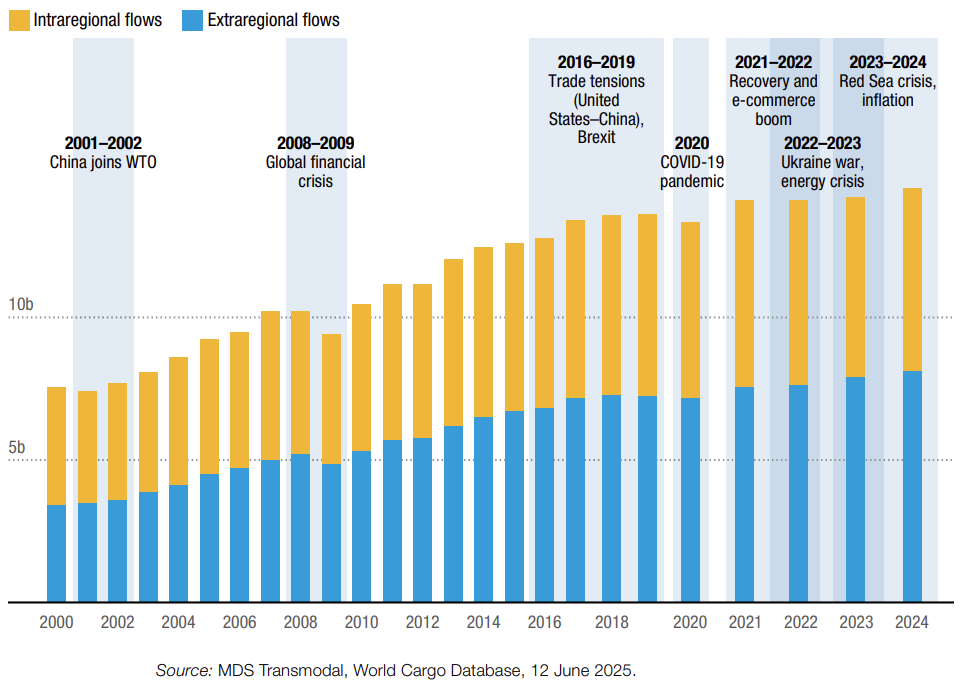
The modern industry is a network of interlocking businesses structured around distinct vessel types, largely defined by the cargo they are designed to carry:
- Dry bulk carriers transport industrial commodities in their raw unprocessed form.
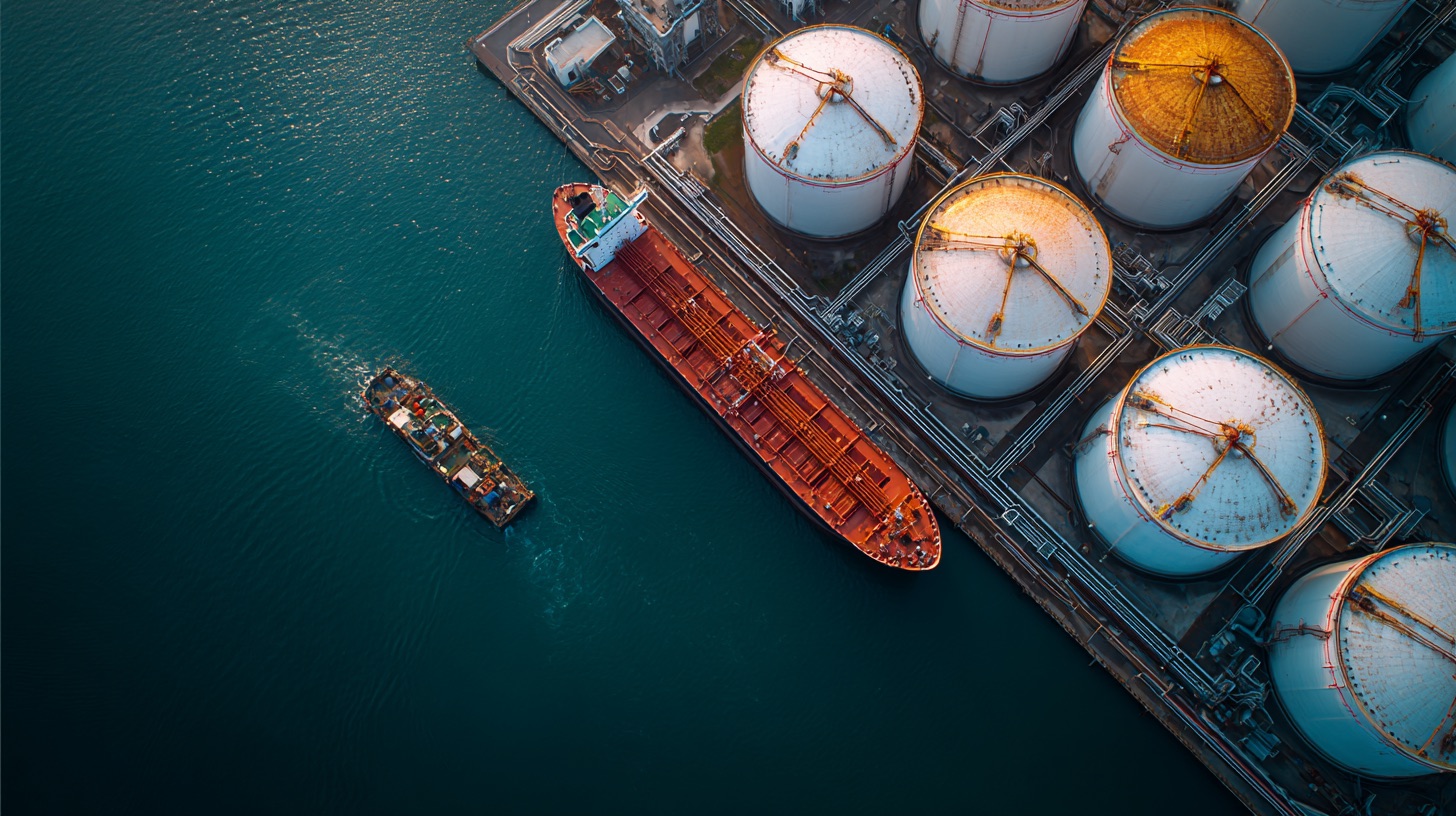
- Tankers carry crude oil, refined petroleum products, gas and chemicals.
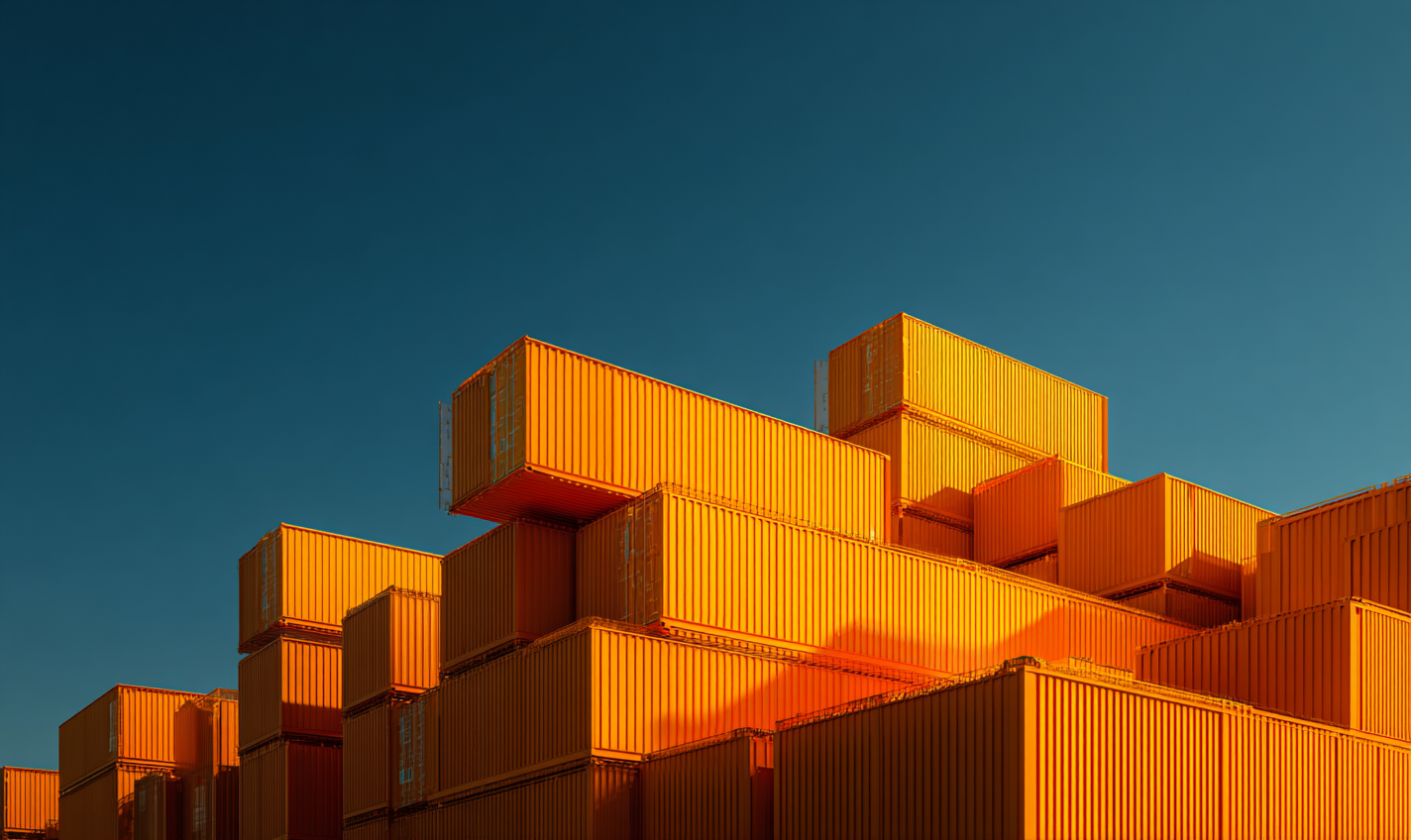
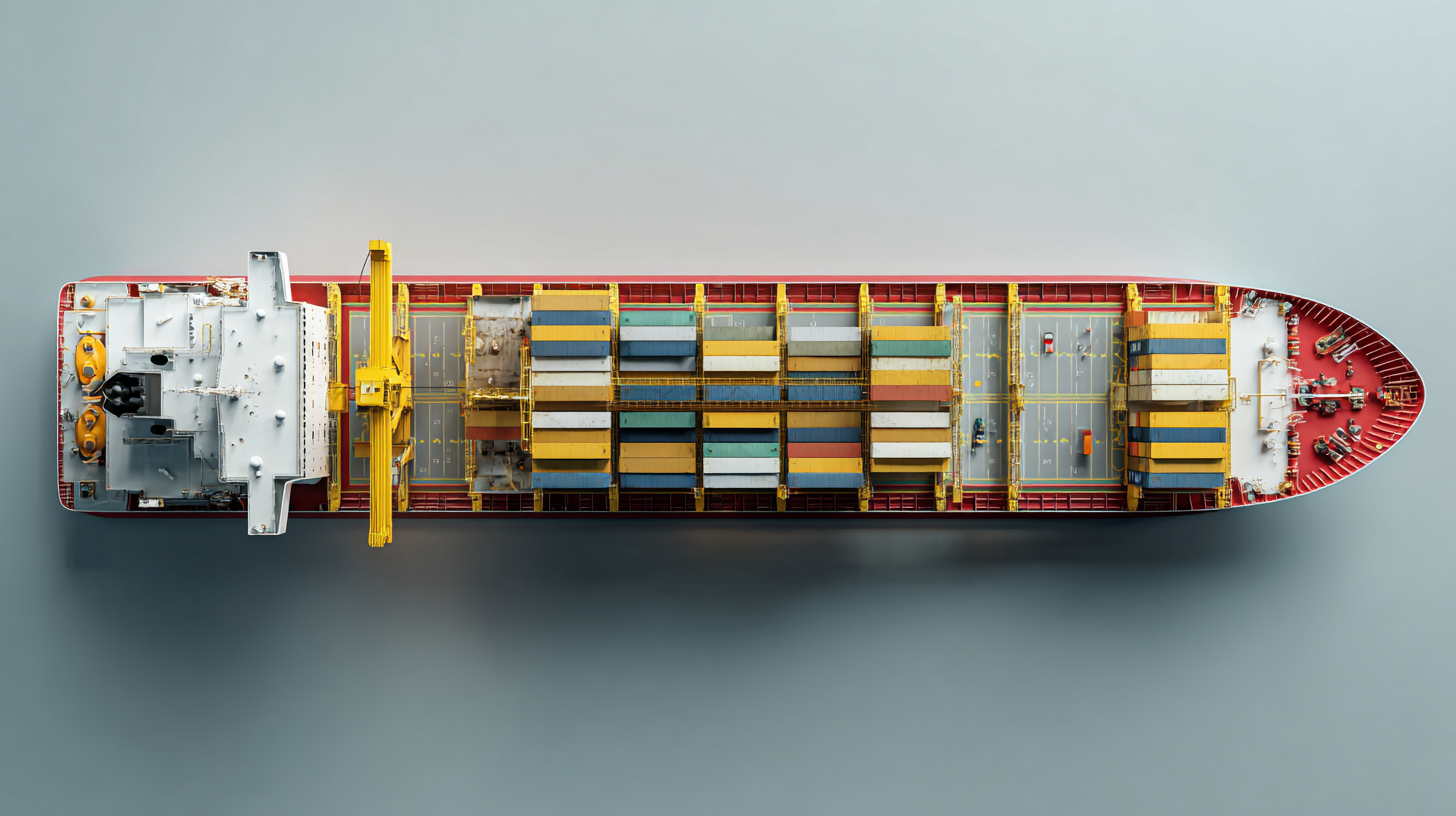
- Container ships move manufactured goods.
- Special purpose vessels carry everything else; from cars to refrigerated cargo, supporting more niche but equally critical trades.
At the center of it is a diverse group of participants, each playing a distinct but interconnected role. Shipowners provide the core asset — the vessels themselves — while operators and managers handle their commercial employment and day-to-day maintenance and performance. Charterers, often commodity traders, energy companies or industrial producers, lease vessels to transport goods, with brokers acting as intermediaries to facilitate transactions. Surrounding this core are financial institutions and leasing houses that fund vessel acquisitions, insurers who underwrite maritime risk, and classification societies and regulators that ensure safety and compliance. Alongside them, port authorities, terminal operators and logistics providers manage the critical interface between sea and land. Together, these participants form an ecosystem that enables global trade to function efficiently and at scale.
The economics of shipping are underpinned by deep and often intricate complexity but remain simple on the surface. Paraphrasing Matthew McCleery’s novel “The Shipping Man”, investors love:
“The elegant simplicity of the numbers.”
Demand for ships derives from the underlying demand for the goods and commodities they carry. Supply changes by newbuilding deliveries, recycling, port congestion, sailing speeds and disruptions. The role of the market is to coordinate and balance the two. Shaped by international cargo flows, macroeconomic trends, trade policies, alliances and dependencies between nations, shipping is never static.
So what is shipping?
It is a service industry, but also an asset market. It is infrastructure, ancient in origin and relentlessly modern in operation. It is the clearest expression of how the real economy works. Without it, globalization is just a theory. With it, distances narrow, markets become larger, and entire economies are empowered.
Welcome!