
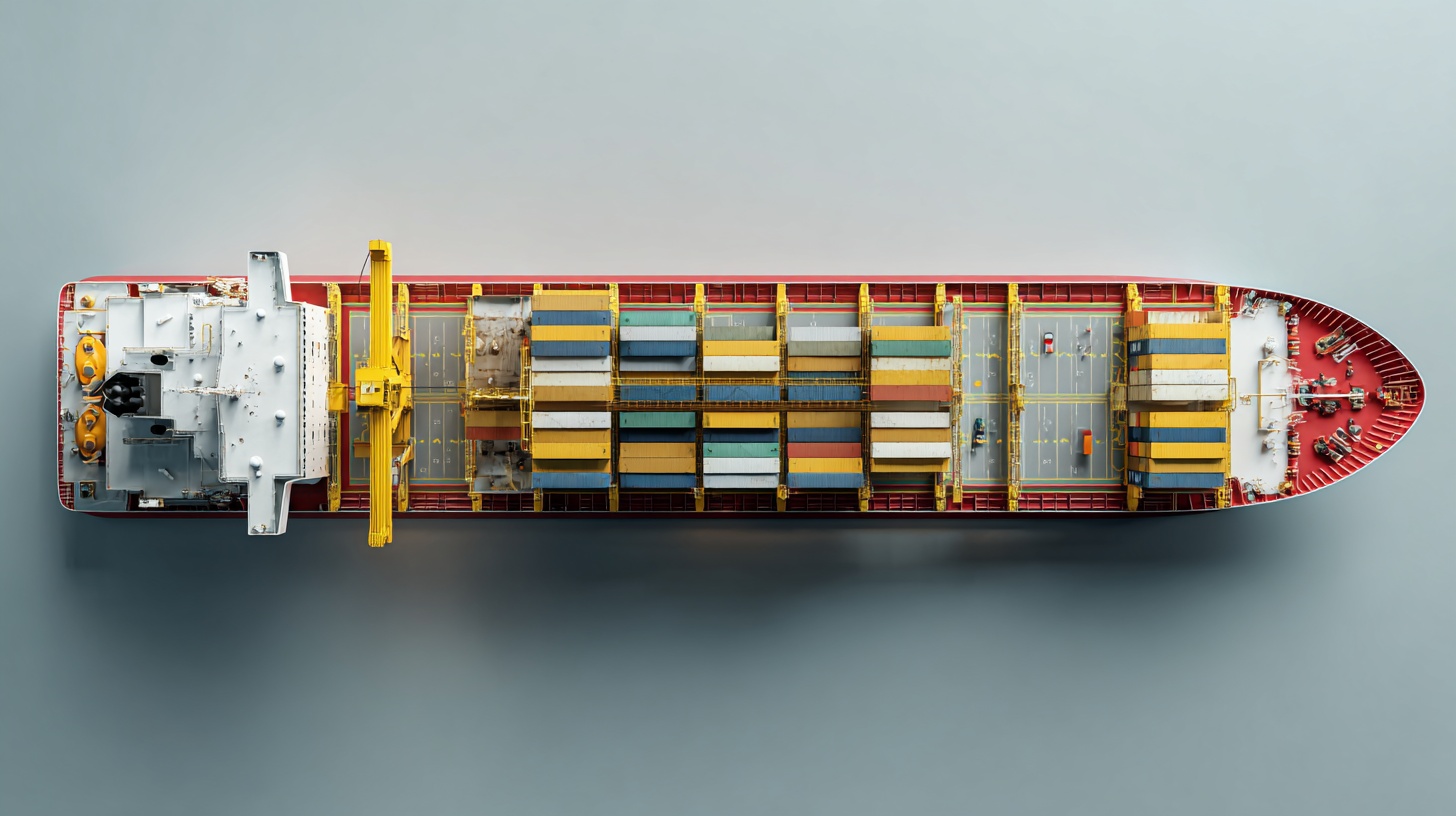
The backbone of globalized trade
Transporting manufactured goods through integrated global logistics networks
Classes
Distinct vessel categories defined by size, design and operational purpose.
Cargo
Representative major bulk commodities carried on long-haul trades.
Fleet size
Total number of vessels available within the global shipping fleet.
Trade
Approximate annual dry bulk cargo moved by sea.
Role in global trade
Container shipping transports manufactured and semi-manufactured goods through a standardized system of containers, ports, and inland logistics networks. The sector has transformed global trade by enabling efficient, reliable, and cost-effective movement of cargo between production centers and consumer markets.
Unlike most other shipping segments, container shipping operates as an integrated network business. Carriers actively manage vessel deployment, schedules, and capacity across interconnected trade routes, making operational efficiency and network optimization central drivers of profitability.
Segments
Container vessels are primarily classified according to their carrying capacity, measured in twenty-foot equivalent units (“TEU”).
Ultra Large Container Vessels (ULCV)
The largest segment of the container fleet, generally comprising vessels above 18,000 TEU and reaching up to 24,000 TEU. These ships are deployed almost exclusively on the main East-West trade lanes between Asia and Europe, where their scale provides significant transportation cost advantages. Their size, however, limits operational flexibility and restricts them to a relatively small number of major ports and terminals.
Neo-Panamax / Post-Panamax
A versatile segment generally ranging from approximately 8,000 to 15,000 TEU. These vessels offer an efficient balance between scale and flexibility and are widely deployed across major East-West and North-South trades. Neo-Panamax vessels are designed to transit the expanded Panama Canal and have become an increasingly important segment of the global fleet.
Feeder vessels
Smaller vessels generally ranging from below 1,000 TEU to approximately 5,000 TEU. Feeders connect regional and smaller ports with major transshipment hubs, supporting the hub-and-spoke structure of global container shipping. Their operational flexibility makes them essential for serving markets that cannot accommodate larger vessels.
Cargoes
Container shipping carries a highly diversified range of cargoes, including consumer goods, electronics, machinery, textiles, industrial products, food products, and refrigerated cargoes.
Because containers can transport almost any type of non-bulk cargo, the sector is closely linked to global manufacturing activity, consumer spending, and international trade flows.
Earnings drivers
Approximately 180 million containers, equivalent to nearly 2 billion tonnes of cargo, are transported by sea every year. Freight rates are primarily determined by the balance between cargo demand and vessel supply, but unlike other shipping sectors, container carriers possess a degree of pricing power through capacity management and network optimization.
Demand for container vessels is driven by global trade, manufacturing activity, consumer demand, and inventory cycles. Trade patterns and voyage distances also influence tonne-mile demand.
Supply is shaped not only by fleet growth and vessel deliveries, but also by port congestion, inland logistics bottlenecks, route disruptions, and carrier decisions regarding capacity deployment. Because the sector operates as an integrated network, disruptions in one part of the system can have significant effects on effective supply and freight rates.
Other Asset Classes
Dry Bulk
Vessels designed to transport unpackaged major bulks (iron ore, coal, grain) and minor bulks worldwide — the most cost-efficient mode for commodity flows tied to steel, energy, and agriculture. Freight reflects global supply and demand and tonne-mile trade patterns.
Tankers
Liquid cargo carriers transporting crude oil, refined petroleum products and chemicals across global trade routes. Generating revenue through short or long term charter contracts with oil majors, refiners and energy traders.
LPG / LNG Carriers
Specialized gas carriers operating under long-term contracts and spot exposure in global energy distribution chains.
Latest
Helm Insights
Market analysis, investment perspectives and shipping fundamentals. Built for investors.

8 Themes Shaping the Markets in 2026
Key players across the value chain

How to assess quality in maritime investment