
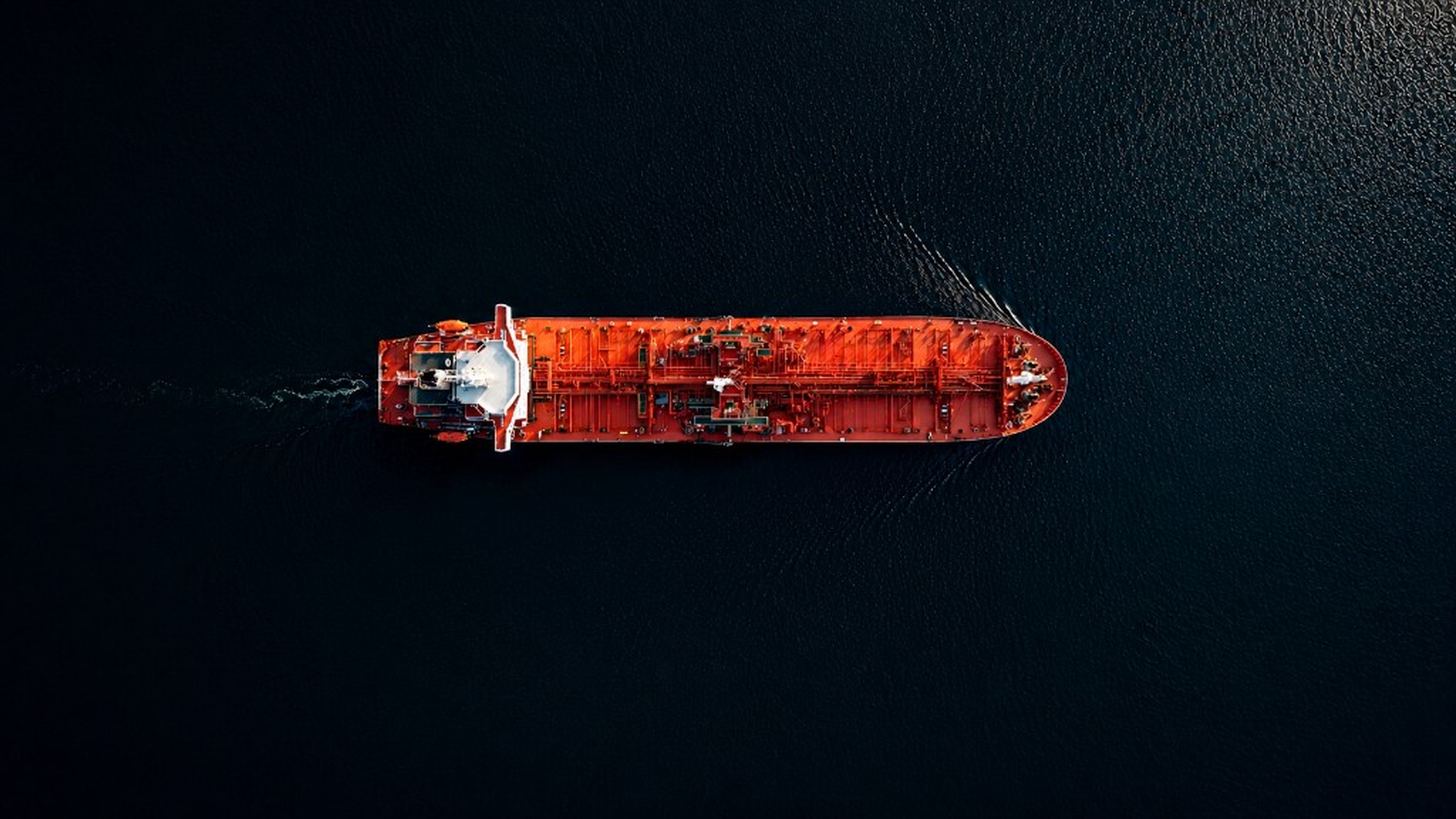
The arteries of global energy trade
Transporting crude oil, refined products and chemicals across global energy markets
Classes
Distinct vessel categories defined by size, design and operational purpose.
Cargo
Representative major bulk commodities carried on long-haul trades.
Fleet size
Total number of vessels available within the global shipping fleet.
Trade
Approximate annual dry bulk cargo moved by sea.
Role in global trade
Tanker markets facilitate the global redistribution of energy by transporting crude oil, petroleum products, and chemicals between production, refining, and consumption centers. Because these activities are geographically dispersed, seaborne transportation is essential to balancing global energy markets.
The sector is driven less by absolute energy demand and more by trade patterns and voyage distances, with changes in sourcing, refining geography, and geopolitical developments often having a significant impact on transportation demand.
Segments
Tankers are primarily classified according to their carrying capacity, measured in deadweight tons (“DWT”).
VLCC (Very Large Crude Carrier)
The largest mainstream crude tanker segment, generally comprising vessels of 200,000 to 320,000 DWT. VLCCs are primarily employed on long-haul routes from the Middle East to Asia and offer some of the lowest unit transportation costs in shipping. Their earnings can be highly volatile due to their concentration on a relatively small number of major trade routes.
Suezmax
A versatile class of crude tankers ranging from approximately 120,000 to 200,000 DWT. The name reflects the maximum dimensions that can generally transit the Suez Canal while fully laden. Suezmaxes operate across both Atlantic and global trades and offer greater routing flexibility than VLCCs.
Aframax
A class of crude tankers generally ranging from 80,000 to 120,000 DWT. Aframaxes are widely employed in regional crude trades and shorter-haul routes, serving refineries and export terminals that cannot accommodate larger vessels.
MR Product Tankers:
Medium Range product tankers typically ranging from 40,000 to 55,000 DWT. These vessels transport refined petroleum products such as gasoline, diesel, jet fuel, and naphtha and play a critical role in balancing regional imbalances in refining capacity and consumption.
Cargoes
Tanker cargoes generally fall into three categories:
Crude oil: Unrefined petroleum transported from producing regions to refineries.
Refined products: Including gasoline, diesel, jet fuel, naphtha, and fuel oil.
Chemicals: A diverse range of liquid chemicals, including methanol, ethanol, and vegetable oils.
Earnings drivers
The tanker fleet transports approximately 3 billion tonnes of liquid cargo every year. Freight rates are driven by global oil production, refinery utilization, inventory cycles, and changes in trade patterns.
Demand is particularly sensitive to tonne-mile developments. Changes in sourcing patterns, sanctions, refinery closures, or shifts in refining capacity can materially alter transportation demand even when underlying oil consumption remains relatively unchanged.
Supply is influenced by fleet growth, newbuilding deliveries, scrapping, vessel speeds, and operational disruptions. Because new tankers require several years to build, supply responds slowly to changes in demand, contributing to the pronounced cyclical nature of the sector.
Other Asset Classes
Dry Bulk
Vessels designed to transport unpackaged major bulks (iron ore, coal, grain) and minor bulks worldwide — the most cost-efficient mode for commodity flows tied to steel, energy, and agriculture. Freight reflects global supply and demand and tonne-mile trade patterns.
Containerships
Ships moving manufactured goods in standardized containers on fixed routes. Yielding income through service contracts with liner companies, forwarders and major retailers worldwide.
LPG / LNG Carriers
Specialized gas carriers operating under long-term contracts and spot exposure in global energy distribution chains.
Latest
Helm Insights
Market analysis, investment perspectives and shipping fundamentals. Built for investors.

8 Themes Shaping the Markets in 2026
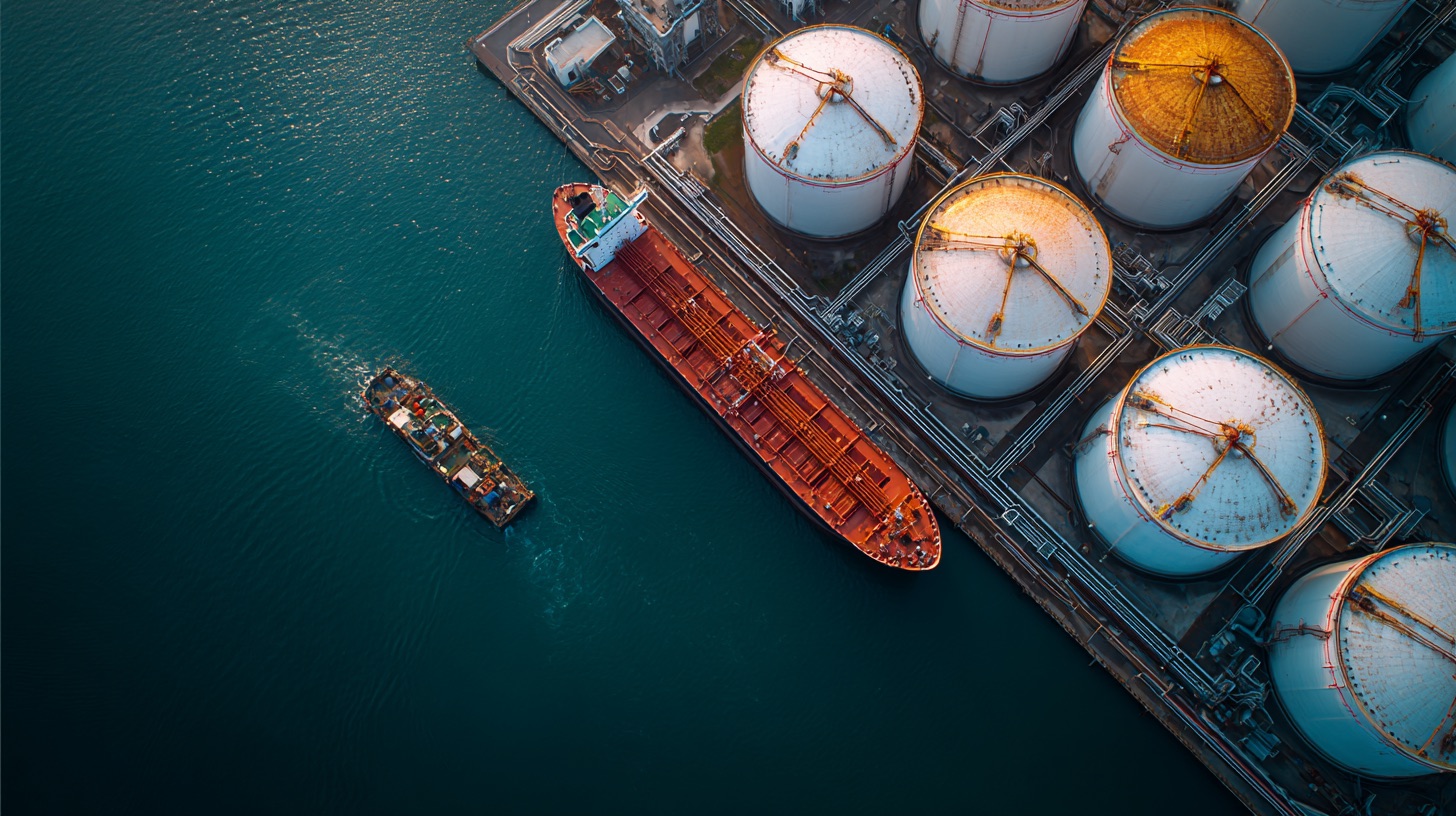
Key players across the value chain
How to assess quality in maritime investment